

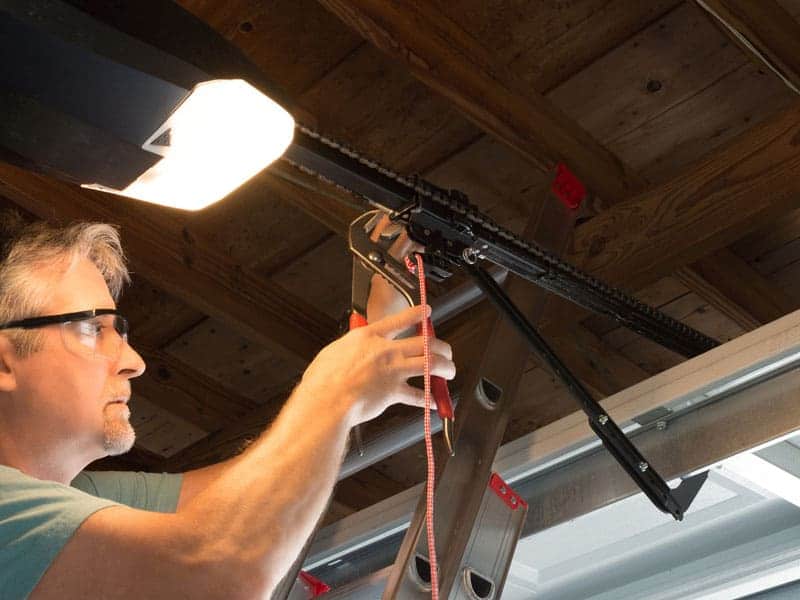
Garage Door Won't Close? 9 Common Causes and What to Do
October 30, 2026
Quick answer: Most garage doors that won't close are being stopped by the safety system, not by a broken door. Blocked or misaligned safety sensors, an object or ice in the door's path, a remote or wall button problem, or limit settings on the opener cause most cases. Check those first. If the door is crooked, a spring or cable looks broken, or the door is stuck open and won't move at all, stop and call a technician.
A garage door that refuses to close is more than an annoyance. It leaves your home open to weather, pests and anyone walking by. The good news is that many causes are simple to check in a few minutes, and a few are a clear sign it's time for professional help. Here's how to tell the difference.
First, watch what the door actually does
The way the door behaves points straight to the cause. Before you touch anything, press the wall button and watch closely:
- The door starts down, then goes back up. The opener thinks something is in the way. This is almost always the safety sensors, an obstruction, or the close force setting.
- The opener light blinks and the door doesn't move. Many openers blink to signal a sensor problem.
- The door closes from the wall button but not from the remote. The issue is the remote, not the door.
- The motor hums or runs, but the door stays put. The door may be disconnected from the opener, or a spring or cable may have failed.
- The door hangs crooked or one side is lower. Stop using it. This usually means a cable or spring problem.
1. Safety sensors are blocked or out of line
Residential garage door openers made since 1993 have a safety reversing system, usually two photo-eye sensors near the bottom of the tracks. They send an invisible beam across the opening. If anything breaks that beam, the door won't close, or it reverses.
Look at both sensors. Each one usually has a small light. If one light is off or blinking, the sensors can't see each other. Common reasons include:
- A bag, toy, bike tire or recycling bin in the beam's path
- Dirt, cobwebs or a film of road salt on the lens
- A sensor bumped out of line by a car, mower or kid's bike
- Direct low sun hitting one lens in the morning or evening
Wipe both lenses with a soft cloth and gently turn the bracket until the light is steady. Our guide to aligning and testing garage door safety sensors walks through it step by step. Never tape over or remove the sensors to "fix" the problem. They are there to keep people and pets from being hurt.
2. Something is in the door's path
Even something the sensors can't see can stop the door. A rake handle leaning on the track, a box against the bottom panel or a garden hose under the seal can all trigger the opener's auto-reverse.
In Michigan winters, the most common "obstruction" is ice. Snow melts off your car, refreezes under the bottom seal and leaves a hard ridge. The door touches it, the opener feels resistance, and the door goes back up. Clear the ice along the threshold, and keep the area swept during freeze-thaw weeks. If the bottom seal itself is frozen to the floor, don't force the door. That can tear the seal or strain the opener. Our article on how extreme cold affects garage doors covers more winter problems.
3. The remote or keypad has a problem
If the wall button works but the remote doesn't, the door is fine. Try these steps:
- Replace the remote battery.
- Stand closer to the door and try again.
- Check that the wall control's "lock" or "vacation" feature isn't turned on. This setting blocks remotes on many models.
- If you recently had power work done or a power outage, the remote may need to be reprogrammed.
If your remotes are old or worn, our team can help with replacement remotes and keypads.
4. The limit or force settings are off
Your opener has settings that tell it how far to travel and how much resistance to allow. If the down limit is set too short, the door stops before it reaches the floor. If it's set too long, the door hits the floor, senses resistance and reverses.
These settings can drift after a sensor replacement, a power surge, or seasonal changes. Many openers have adjustment buttons or screws, and your owner's manual explains them. Make small changes, then test the safety reverse by placing a board or roll of paper towels flat on the floor under the door. The door should reverse when it touches it. If it doesn't, stop using the opener and have it serviced.
5. The door is disconnected from the opener
If someone pulled the red emergency release cord, the door is no longer attached to the opener. The motor will run and the trolley will move along the rail, but the door won't follow. Most openers reconnect when you close the door by hand and then run the opener, which lets the trolley catch the carriage again. Check your manual for the exact steps for your model.
6. Tracks are bent, dirty or out of line
The rollers travel in metal tracks on each side of the door. A dented track, a loose bracket or built-up grime can make the rollers bind. The opener feels the extra resistance and stops or reverses.
You can safely wipe the tracks clean with a dry cloth. Don't grease the inside of the tracks, since grease collects dirt. If a track is bent or a roller has popped out, don't try to hammer it back. A door that has come out of its track can fall. Read our guide to a garage door that's off track before you do anything else.
7. A spring or cable has broken
Springs do the heavy lifting on a garage door. When one breaks, the door suddenly becomes very heavy. Some openers will refuse to move it at all, and others will strain, then stop.
Signs of a broken spring include a loud bang from the garage, a visible gap in the spring above the door, or cables hanging loose. Do not try to open or close the door by hand or by opener if you see these signs. Springs and cables hold a great deal of tension and can cause serious injury. Learn more in our guide to broken garage door springs.
8. The opener's logic board or motor is failing
If the opener clicks but does nothing, runs inconsistently, or works only some of the time after you've ruled out everything above, the opener itself may be the issue. Power surges and age are common causes. An older opener may also lack today's safety features and battery backup. When repair doesn't make sense, our team can help you pick a new one from our garage door opener lineup.
9. Power is out or a breaker tripped
It sounds obvious, but check that the opener has power. Look for lights on the motor unit and wall control. Check the outlet with a lamp, and look at your breaker panel and any GFCI outlet in the garage.
What you can check safely, and what to leave to a pro
Safe to check yourself: sensor lenses and alignment, obstructions and ice, remote batteries, the wall control lock, power and breakers, and wiping the tracks clean.
Call a technician for: broken or stretched springs, frayed or loose cables, bent tracks, a door that's crooked or off its rollers, a door that won't stop reversing after you've checked the sensors, and any opener that fails the safety reverse test.
Get your garage door closing again
Overhead Door Company of Battle Creek, Jackson & Ann Arbor offers same-day service calls, services all garage door and opener brands, and warranties all service. If your door won't close and the simple checks didn't fix it, schedule a garage door repair or contact the location nearest you.
Frequently asked questions
Why does my garage door go down and then back up?
The opener thinks something is in the way. The most common causes are blocked or misaligned safety sensors, an object or ice under the door, or a down-limit or force setting that needs adjusting.
Can I close my garage door if the sensors aren't working?
Many openers let you close the door by pressing and holding the wall button until it reaches the floor. This bypass is for emergencies only. Get the sensors fixed as soon as you can.
Why won't my garage door close in cold weather?
Ice under the bottom seal, stiff lubricant, and contracting metal can all add resistance. The opener senses it and reverses. Clear ice from the threshold and have the door serviced before winter.
Is it safe to close a garage door by hand?
Only if the springs and cables are intact and the door is balanced. If you hear a loud bang, see a gap in a spring, or a cable is loose, don't move the door. Call a technician.
How can I prevent this from happening again?
Regular maintenance catches worn rollers, stretched springs and drifting settings before they cause a breakdown. Our Red Ribbon Service Plans include a complete safety inspection and lubrication.
Related posts
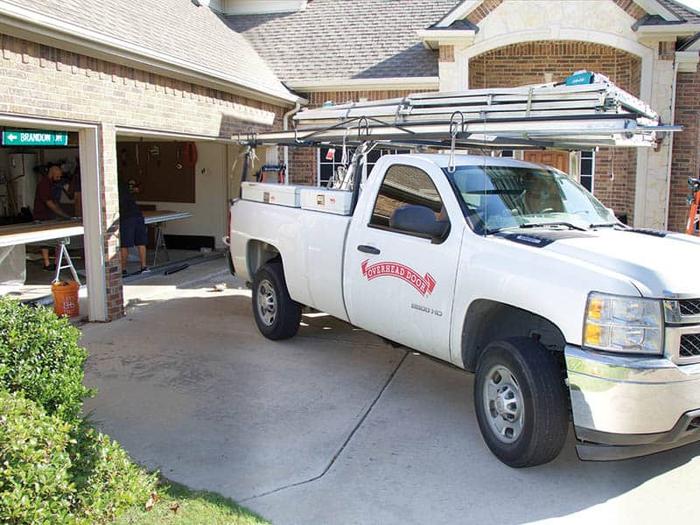
If your garage door is off track, stop using it right away. Unplug the opener, keep people and cars clear, and don't try to force the rollers back in. An off-track door is out of balance and can fall. Common causes are a car bumping the door, a broken cable or spring, loose track […]
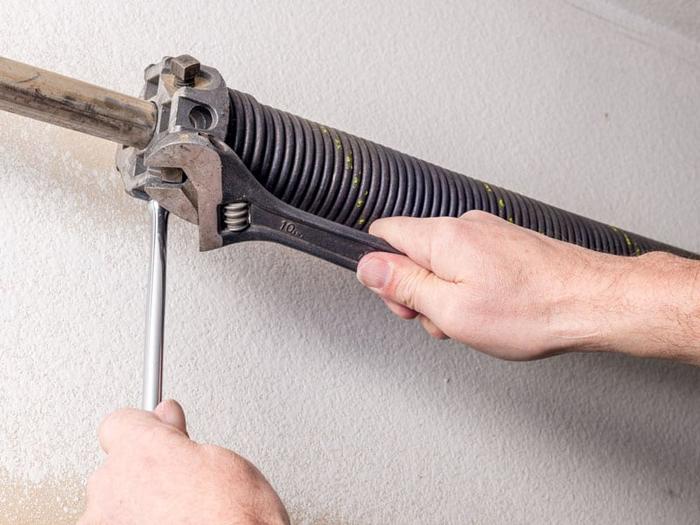
The clearest signs of a broken garage door spring are a loud bang from the garage, a visible gap in the spring above the door, a door that suddenly feels very heavy, loose or hanging cables, and an opener that strains or won't lift the door. Many standard torsion springs are rated for […]
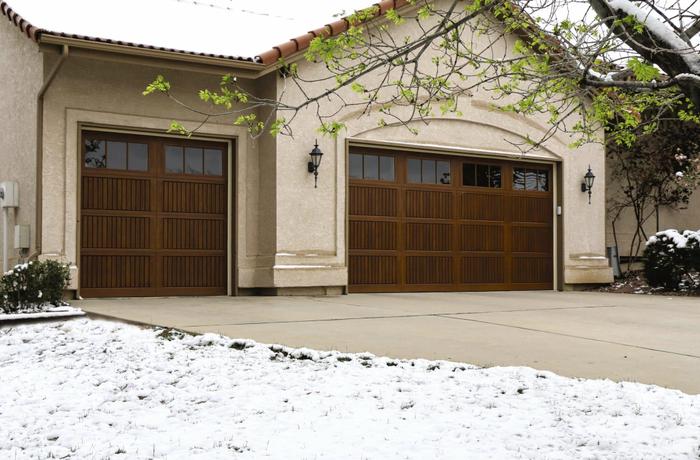
Protect your home in extreme weather with garage door prep. Learn maintenance, weatherproofing, and emergency tips for durability.