

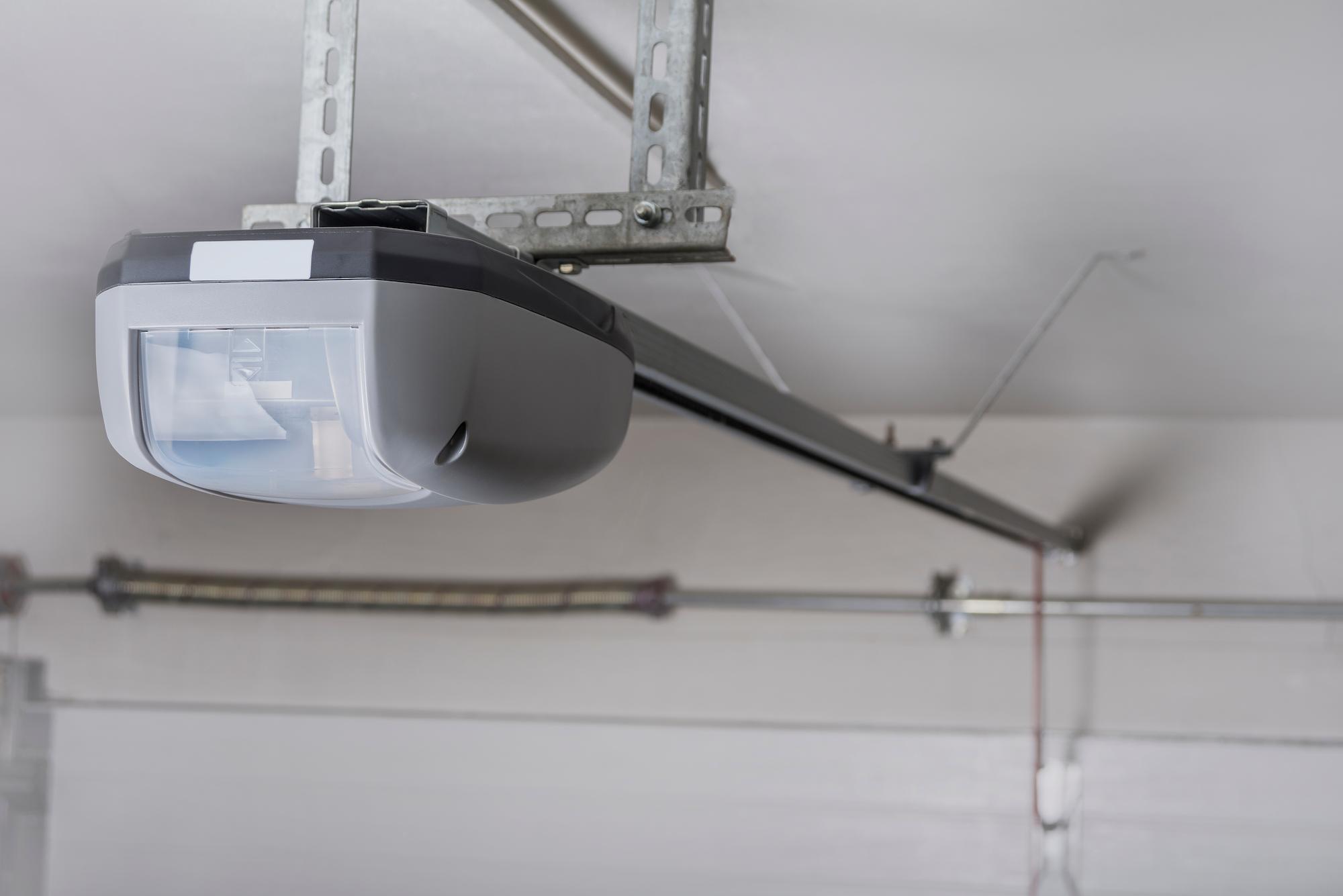
Garage Door Opener Not Working? 6 Checks Before You Call
October 31, 2026
Quick answer: When a garage door opener stops working, the cause is usually simple: no power, dead remote batteries, a locked wall control, blocked or misaligned safety sensors, or a disconnected emergency release. Check those five things first. If the motor hums but the door doesn't move, or you heard a loud bang, stop and call a technician, because a broken spring or worn gear is likely.
Few things are more frustrating than pressing the button on a cold Michigan morning and getting nothing. The good news is that most opener problems come down to a short list of causes, and several of them take less than a minute to check. This guide walks you through them in the order a technician would, explains what each symptom points to, and tells you when to stop and call for help.
Start here: what is the opener doing?
The fastest way to find the problem is to notice exactly what happens when you press the button. Each symptom points in a different direction.
- Nothing at all, no light, no sound: a power problem.
- The wall button works but the remote doesn't: a remote, battery or lock-mode problem.
- The door starts to close, then reverses: almost always the safety sensors.
- The motor runs or hums but the door doesn't move: a disconnected trolley, stripped gear or broken spring.
- The opener light blinks and the door won't go down: the opener is telling you it sees a fault, usually at the sensors.
- The door moves a few feet and stops: a travel limit, force setting or balance problem.
1. Check the power
If the opener is completely dead, start with the simplest fix. Make sure the opener's cord is fully plugged into the ceiling outlet. Plug a lamp or phone charger into that outlet to confirm it has power. Then check your electrical panel for a tripped breaker, and look for a GFCI outlet in the garage or basement that may have tripped and needs to be reset.
Storms in southern Michigan can cause power surges that trip breakers or damage an opener's circuit board. If power returns to the outlet but the opener still shows no sign of life after a storm, the logic board may need to be replaced by a technician.
2. Rule out the remote and wall control
If the door opens from the wall button but not from your car, the opener is fine and the problem is the remote.
- Replace the remote battery. This fixes more "broken opener" calls than anything else.
- Check lock or vacation mode. Many wall controls have a lock button that blocks all remotes. If a light on the wall control is blinking, hold the lock button for several seconds to turn it off. Check your opener's manual for your model's steps.
- Try another remote or the keypad. If none of them work, the opener's receiver or antenna may be the issue.
- Reprogram the remote. Most openers have a "learn" button on the motor unit. Your owner's manual shows the steps for your model.
- Look for interference. Some LED bulbs installed in the opener's light socket can interfere with the remote signal. Removing the bulb is a quick test.
If you need a new remote or keypad that matches your opener, see our garage door remotes and accessories.
3. Check the safety sensors
Every residential opener sold in the United States since the early 1990s has to include safety sensors near the floor. These "photo eyes" send an invisible beam across the opening. If anything breaks the beam, the door won't close, or it reverses.
When the door goes down a few inches and goes back up, or the opener light flashes and the door refuses to close, look at the sensors:
- Wipe both lenses with a soft cloth. Dust, cobwebs and road spray are common culprits.
- Look for anything in the path: a bin, a broom, leaves or snow piled at the door edge.
- Check the indicator lights. On most models, a steady light means the sensors see each other. A blinking or dark light means they don't.
- Make sure neither sensor has been bumped. They should point straight at each other at the same height.
- Look for damaged or chewed wires running to the sensors.
Low winter sun shining directly into a sensor can also confuse it at certain times of day. Our guide to aligning and testing garage door safety sensors goes into more detail.
4. Check the emergency release
The red cord hanging from the opener rail disconnects the door from the motor so you can open it by hand during a power outage. If someone pulled it, the motor will run and the trolley will travel along the rail, but the door won't move with it.
To reconnect, close the door fully by hand, then run the opener. On most models the trolley will catch and lock back on. Never pull the release while the door is open, unless you are sure the springs are working, because a door with a broken spring can drop.
5. Listen to the motor
If the opener hums, clicks or runs but the door stays put, and the release isn't the cause, the problem is mechanical.
A broken spring
The springs, not the opener, do the heavy lifting. If a spring breaks, the door becomes far too heavy for the opener to lift. A loud bang from the garage, a visible gap in the spring above the door, or a door that feels extremely heavy are all signs. See our guide to broken garage door springs before you do anything else.
Stripped drive gear
Many chain and belt drive openers use a plastic gear inside the motor housing. After years of use, the teeth can wear smooth. The motor runs, but nothing turns. This is a repair a technician can often handle without replacing the whole opener.
A door that is off track or binding
If a roller has come out of the track or a cable has slipped, the opener may strain and stop. Don't keep pressing the button. Read what to do when a garage door is off track.
6. The door stops partway or reverses for no reason
Openers have travel limits that tell them where "open" and "closed" are, and force settings that tell them how hard to push before they reverse. If the door stops short or reverses before reaching the floor, these settings may need adjustment, or the door may be out of balance and harder to move than it should be.
Cold weather makes this more common. Old grease stiffens, rollers drag and the bottom seal can stick to the floor. Turning up the force setting to "push through" is a bad idea, because it weakens the opener's safety reversal. A technician can lubricate the door, check the balance and reset the limits correctly. Our article on how extreme cold affects garage doors explains why winter brings these calls.
When to stop and call a technician
- You heard a loud bang or see a broken spring.
- A cable is frayed, loose or hanging.
- The door is crooked, off track or stuck partway open.
- The motor hums but the door won't move, and the release is engaged.
- The opener smells hot or shows burn marks.
- You've checked power, remotes and sensors and it still won't run.
Springs, cables and door balance carry serious stored tension. These are not safe DIY repairs.
Repair or replace the opener?
Many opener problems are fixable with a new gear, logic board, sensor or remote. Replacement starts to make sense when the opener is old, lacks modern safety features, has needed several repairs, or doesn't offer features you want, like smartphone control or battery backup. Our guide to upgrading your garage door opener walks through the options, and you can browse current garage door openers we install.
Prevent the next breakdown
- Replace remote and keypad batteries once a year.
- Keep the sensor lenses clean and the floor near them clear.
- Test the safety reversal monthly by placing a roll of paper towels under the closing door. It should reverse on contact.
- Watch and listen for jerky movement, grinding or straining.
- Schedule professional maintenance before winter.
Our Red Ribbon Service Plans include a complete safety inspection, lubrication and a 25-point check of your door and opener.
Opener repair in Battle Creek, Jackson and Ann Arbor
Overhead Door Company of Battle Creek, Jackson & Ann Arbor has served southern Michigan homeowners since 1978. We service all opener brands, offer same-day service calls and warranty all service. If your opener won't respond, schedule a garage door repair or call (800) 962-3141.
Frequently asked questions
Is there a reset button on a garage door opener?
Most openers don't have a single reset button. Unplugging the opener for about 30 seconds and plugging it back in resets the electronics on many models. The "learn" button is used to program or erase remotes, so check your manual before pressing it.
Why does my garage door open with the wall button but not the remote?
The opener is working, so the remote is the problem. Replace the battery, make sure lock or vacation mode is off, and reprogram the remote if needed.
Why does my garage door go down and then back up?
The safety sensors are usually blocked, dirty or misaligned. Clean the lenses, clear the path and make sure both indicator lights are steady.
What does it mean when the motor hums but the door won't move?
Check whether the emergency release was pulled. If it's engaged, the cause is likely a broken spring, a stripped gear or a binding door. Stop using it and call a technician.
Related posts
A garage door does more than just protect your vehicles or provide access to your home. It can also help boost your home’s curb appeal, improve energy efficiency, and potentially increase its value. At Overhead Door Company of Ann Arbor, we specialize in custom garage doors that exceed the standard function of a typical door. […]
Enhance your daily life with a garage door opener upgrade. Experience convenience, safety, and peace of mind. Upgrade today!
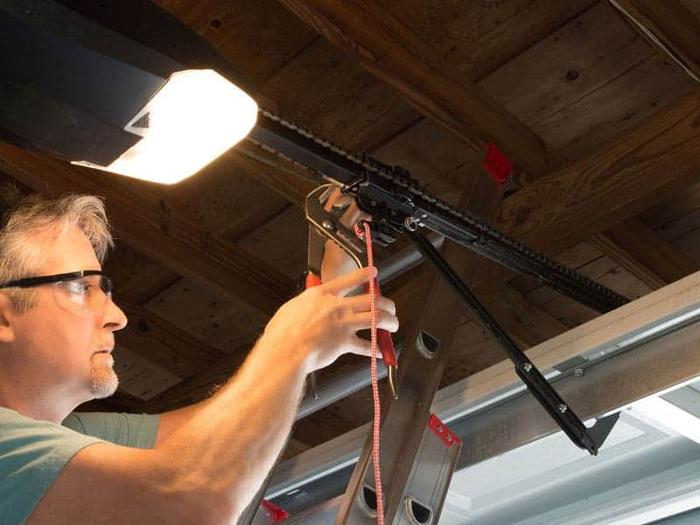
Unlock the secrets to a smoothly operating garage door opener! Discover expert maintenance tips and troubleshooting techniques in our comprehensive guide.