

Broken Garage Door Cable? Signs, Dangers and What to Do
October 31, 2026
Quick answer: If a garage door cable is broken, frayed or hanging loose, stop using the door and unplug the opener. The cables work with the springs to hold the door's weight, so a failed cable can let one side drop, twist the door and pull it out of its tracks. Keep people and cars away, don't pull the emergency release, and have a trained technician replace the cables and check the springs.
Garage door cables are easy to overlook. They're thin, they sit along the edges of the door, and they rarely make noise until something goes wrong. But they're one of the most important safety parts on your door. Here's how they work, how to tell when one is failing, and why replacing them is a job for a professional.
What garage door cables do
A typical residential sectional door weighs well over a hundred pounds. Springs counterbalance that weight so the door feels light enough for an opener, or a person, to lift. The cables are what connect the springs to the door.
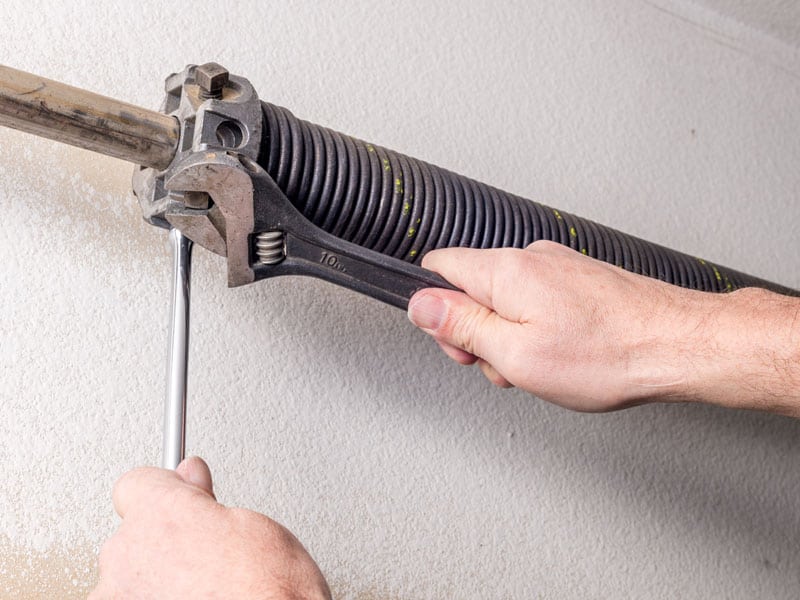
On a door with torsion springs (mounted on a bar above the opening), a lift cable runs from each bottom corner of the door up to a drum at the end of that bar. As the springs unwind, the drums turn and the cables lift the door evenly on both sides. On a door with extension springs (running along the horizontal tracks), the cables run through pulleys, and there are usually separate safety cables threaded through the springs to contain them if one snaps.
If you want to see how these parts fit together, our guide to garage door parts and components has a full breakdown, and torsion vs. extension springs explains the two spring systems.
Signs a garage door cable is failing
- Frayed, rusty or kinked strands on the cable near the bottom brackets
- A cable that looks slack or is hanging loose instead of tight
- A cable that has slipped off its drum at the top of the door
- One side of the door sitting lower than the other when closed
- The door rising unevenly or tilting as it opens
- A loud snap followed by the door jerking or stopping
- The opener straining, stopping or reversing more than usual
Frayed cables are a warning, not a crisis yet. A fully snapped cable or a crooked door is an emergency, because the door is no longer supported evenly.
What to do right now if a cable snaps
- Stop using the door. Don't press the button again to see what happens. The opener can pull the door further out of line or bend panels.
- Unplug the opener so no remote or wall button can run it.
- Keep everyone clear. Don't stand, walk or park under a door that is crooked or partly open.
- Don't pull the red emergency release. With a broken cable, the release can let a heavy door slam down or drop unevenly.
- Don't try to rewind the cable onto the drum. The drum is connected to fully tensioned springs.
- Call for service and let the dispatcher know if the door is stuck open and your home isn't secure.
Why garage door cables break
Normal wear
Every time the door opens and closes, the cables wind and unwind under heavy load. Over years of use, individual strands fatigue and break. Busy households that use the garage as the main entry wear cables faster.
Rust and corrosion
The bottom of the door is where cables attach, and it's also where snowmelt, road salt and puddles collect. In Michigan winters, salty slush dripping off cars sits right next to the bottom brackets. Corrosion weakens the steel strands from the inside out.
Rubbing against the door or track
If a cable rubs on a bracket, track or door edge, it wears through over time. This often happens when the door is slightly out of alignment.
A broken spring
When a spring fails, the balance of the whole system changes. A cable can go slack, jump off its drum or take a sudden shock load. That's why a technician always checks the springs when replacing cables, and the cables when replacing springs. See the warning signs of a broken garage door spring.
Impact damage
Backing into the door, or a mower or bike hitting the bottom panel, can bend brackets and kink cables.
Why cable replacement isn't a DIY job
Online videos make cable replacement look like a quick swap. What they don't always show is that the job requires the springs to be unwound and rewound with proper winding bars, and the door to be secured so it can't move. Springs store enough energy to cause serious injuries if a bar slips or the wrong tool is used.
A cable also has to be the right length and diameter, wrapped onto the drum correctly and tensioned evenly on both sides. If one side is off, the door will hang crooked and wear quickly, or come off its tracks. Our article on when DIY garage door repair is safe explains which jobs homeowners can handle and which they shouldn't.
What a professional cable repair includes
- Securing the door so it can't move during the repair
- Safely releasing spring tension
- Replacing both lift cables, not just the broken one, so they wear evenly
- Inspecting the drums, bottom brackets and pulleys for wear or rust
- Checking the springs and replacing them if they're worn or mismatched
- Checking rollers and track alignment
- Re-tensioning the springs and testing the door's balance
- Testing the opener's force, limits and safety reversal
Replacing cables in pairs is standard practice. If one cable failed from wear, the other has seen the same number of cycles.
Can a door with a broken cable be saved?
In most cases, yes. Cables, drums and brackets are replaceable parts. If the door dropped hard or twisted, a panel may be bent or cracked, and a technician will check that too. If the door is old and has several problems at once, it may be worth comparing the cost of repairs with a new door. Our guide on whether to repair or replace your garage door covers how to decide.
How to make your cables last longer
- Look at the cables near the bottom brackets every few months for fraying or rust.
- Rinse salty slush away from the bottom of the door during winter.
- Don't let the door slam or bounce on the floor. That can mean the opener or balance needs adjusting.
- Listen for new squeaks or scraping near the tracks and drums.
- Never lubricate the cables themselves with heavy grease, which collects grit.
- Schedule regular professional maintenance so worn cables are replaced before they snap.
Our Red Ribbon Service Plans include a complete safety inspection, lubrication and a 25-point check that covers cables, springs and hardware.
Broken cable repair in southern Michigan
Overhead Door Company of Battle Creek, Jackson & Ann Arbor has been fixing garage doors across southern Michigan since 1978. We offer same-day service calls, service all brands and warranty all service. If a cable is frayed, loose or snapped, keep the opener unplugged and schedule a garage door repair. Find your nearest team in Battle Creek, Jackson or Ann Arbor.
Frequently asked questions
Can I open my garage door with a broken cable?
It isn't safe. The door may drop or twist as it moves. Leave it where it is, unplug the opener and call a technician.
Should both garage door cables be replaced at the same time?
Yes. Both cables have done the same work, so the other one is usually close to failing. Replacing them together also keeps the door balanced.
What causes a garage door cable to come off the drum?
Common causes are a broken spring, a door that hit an obstacle while closing, or a cable that went slack because the door was out of balance or off track.
Is a broken garage door cable an emergency?
A snapped cable or a crooked door should be treated as urgent, because the door isn't supported evenly. A frayed cable should be replaced soon, before it breaks.
Related posts
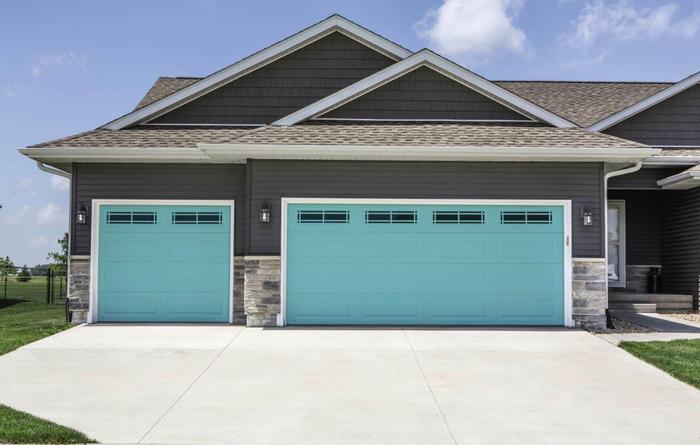
Repair your garage door when the problem is a single worn part, like a spring, cable, roller, opener or one damaged panel, and the door is otherwise sound. Replace it when the door is old and needs repeated repairs, has several damaged sections, is rusted or rotting, has no insulation in a garage you use […]
If your garage door is off track, stop using it right away. Unplug the opener, keep people and cars clear, and don't try to force the rollers back in. An off-track door is out of balance and can fall. Common causes are a car bumping the door, a broken cable or spring, loose track […]
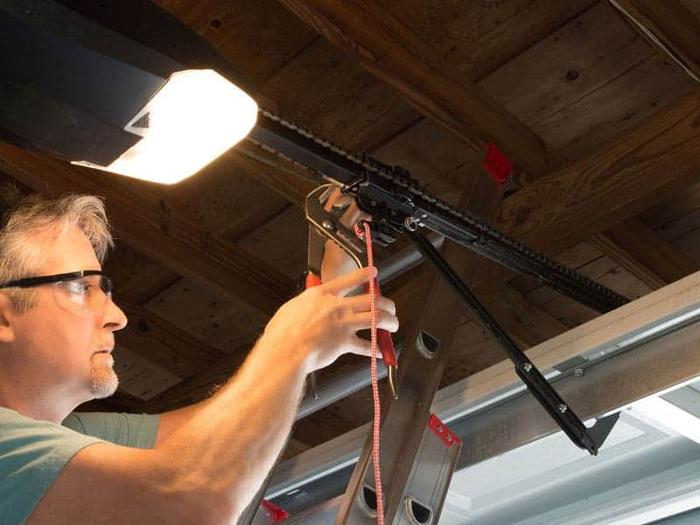
Most garage doors that won't close are being stopped by the safety system, not by a broken door. Blocked or misaligned safety sensors, an object or ice in the door's path, a remote or wall button problem, or limit settings on the opener cause most cases. Check those first. If the door is […]