
Planning a Warehouse Expansion in Jackson? Read This Door Guide First.
May 7, 2026
Quick answer: Plan your overhead doors before a warehouse expansion. Size rough openings for your largest loads, choose sectional or rolling steel doors to fit your headroom, check wind-load and code needs, and decide your mix of drive-through and dock-high doors. Overhead Door Company of Battle Creek, Jackson & Ann Arbor sells and installs commercial doors and loading dock equipment.
Expanding your warehouse in Jackson, Michigan, is an exciting step, but before you finalize your blueprints or pour a single slab of concrete, there’s one critical detail you don’t want to overlook: your doors. Effective planning of commercial overhead door sizes for warehouses can directly impact efficiency, safety, and long-term flexibility.
From warehouse construction requirements in Michigan to smart loading dock design, getting this piece right early can save you from costly changes later. Here’s what you need to know before you build.
The “Rough Opening” Trap
One of the most common (and expensive) mistakes in warehouse expansion projects is misjudging your rough openings. In simple terms, the rough opening is the framed space where your door will be installed, and once that concrete is poured, it’s not easy to change.
Many warehouse builders default to standard sizes, such as 8×8 doors. While that might work for smaller operations, it can quickly become a bottleneck if you’re moving larger pallets or operating forklifts with wider loads. For example, upgrading to a 9×10 door can significantly improve maneuverability and reduce time spent navigating tight clearances.
This is where understanding commercial overhead door sizes for warehouses becomes essential. Your door size should match your workflow, not the other way around. If you underestimate your needs now, you may end up with expensive demolition work down the road just to fix the opening.
It’s also important to consider door type at this stage. Sectional doors are common and cost-effective, but they require more headroom. Rolling steel doors, on the other hand, are compact and ideal for tighter spaces or high-cycle use. Choosing between them early ensures your building design supports your door system.
Zoning & Wind Load
Jackson is no stranger to strong winds and changing weather conditions. That’s why warehouse construction requirements in Michigan often include wind-load considerations, especially for large exterior openings such as overhead doors.
A standard commercial door may not be designed to withstand the wind pressure your facility could experience. Without the proper rating, doors can flex, fail, or even collapse under stress. Investing in wind-rated doors helps protect your inventory, your equipment, and your building structure.
Local zoning codes may also influence door placement, size, and safety requirements. Working with professionals who understand industrial door installation in Jackson ensures that your expansion meets all necessary regulations while maintaining performance and durability.
The “Drive-Through” vs. “Dock-High” Mix
Another key factor in your warehouse layout is determining how many doors should be drive-through (grade-level) versus dock-high. This decision plays a major role in your loading dock design guide and overall operational flow.
Drive-through doors are ideal for smaller vehicles, direct forklift access, or flexible interior movement. Dock-high doors, on the other hand, are designed for semi-trailers and standard shipping operations.
The right mix depends on your business model. A distribution-heavy operation may require more dock-high doors, while a facility focused on internal movement or local deliveries may benefit from additional drive-through access.
Planning this ratio early ensures your space supports both current operations and future growth without requiring major structural changes.
Future-Proofing Your Expansion
Even if you’re working within a tight budget, it’s smart to think ahead. Many warehouse owners opt for manual chain hoist doors initially to save on upfront costs. That’s a practical approach, but don’t stop there.
Adding electrical drops during construction allows you to easily upgrade to motorized doors later without tearing into walls or ceilings. This small investment during the build phase can save significant time and money when your operation scales.
Future-proofing also includes choosing durable materials, planning for higher cycle usage, and leaving room for potential expansion. The goal is to build a space that grows with your business, not one that limits it.
Contact Us at Overhead Door Company of Battle Creek, Jackson & Ann Arbor
When it comes to industrial door installation in Jackson, early planning makes all the difference. Overhead Door Company of Battle Creek, Jackson & Ann Arbor works with business owners, contractors, and developers to ensure every detail, from door sizing to wind load compliance, is handled correctly from the start. If you’re in the planning phase of your warehouse expansion, now is the time to get expert input. The right door strategy will improve efficiency, protect your investment, and set your operation up for long-term success.
Reach out to our team to get started!
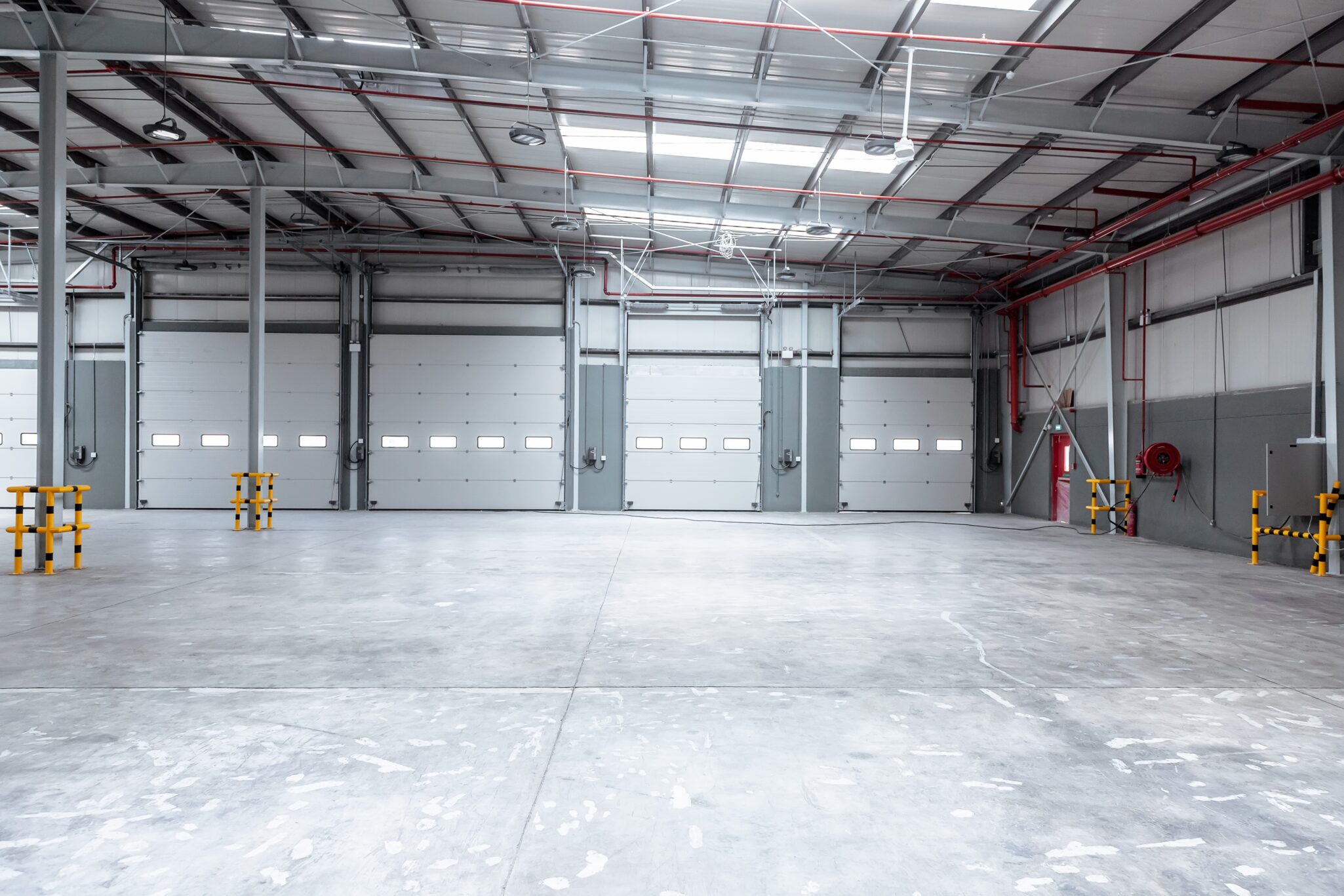
Image credit: // Shutterstock // AY Amazefoto
Warehouse Door Planning FAQs
How do I choose the right overhead door size for a warehouse?
Size each door for the largest vehicle, forklift and load that will pass through it, with room to spare. Don't default to a standard size if your pallets or equipment are wide or tall, because a cramped opening slows every trip. Plan for where your operation is heading, since rough openings are hard to change after construction.
Should I choose sectional or rolling steel doors for a new warehouse?
Choose based on your headroom, how often the door runs and your security needs. Sectional doors are common and cost-effective but need more headroom above the opening. Rolling steel doors coil compactly, so they suit tight spaces and high-cycle use. Compare options on our commercial garage doors page.
What is the difference between dock-high and drive-through doors?
Dock-high doors sit at truck-bed height so semi-trailers can back up and load straight onto the warehouse floor. Drive-through, or grade-level, doors sit at ground level so forklifts and smaller vehicles can drive in and out. Most warehouses need a mix, and the right ratio depends on how you ship and move goods.
When should I bring a door company into a warehouse project?
Bring a door company in during design, before rough openings are framed and concrete is poured. Door size, door type, headroom, wind load and electrical drops for motorized operators all affect the building plans. Settling these details early is far easier than changing an opening after construction.
Do dock-high doors need dock levelers?
Most dock-high doors benefit from a dock leveler. A leveler bridges the gap between the dock floor and the trailer bed, which varies from truck to truck, so forklifts can move loads on and off safely. We sell dock levelers and other loading dock equipment to go with your doors.
Related posts
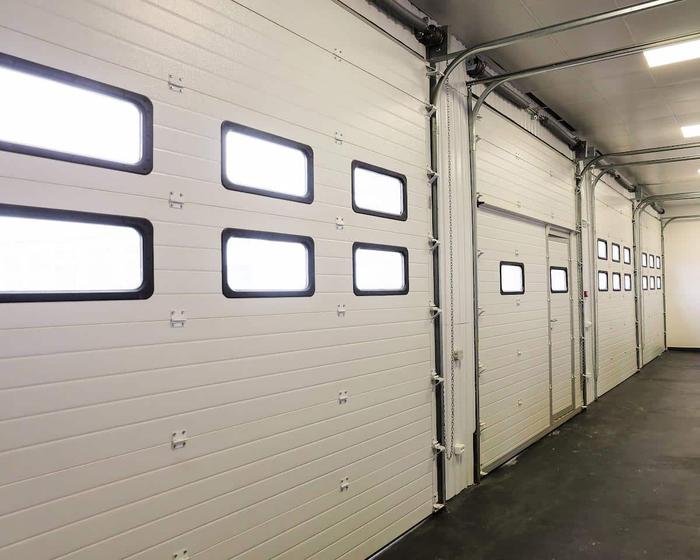
When a commercial overhead door won't close, secure the area first, then check the simple causes: power and the disconnect switch, a blocked photo-eye or safety edge, an obstruction or ice in the opening, the operator's control station, and whether anyone engaged the manual chain or […]
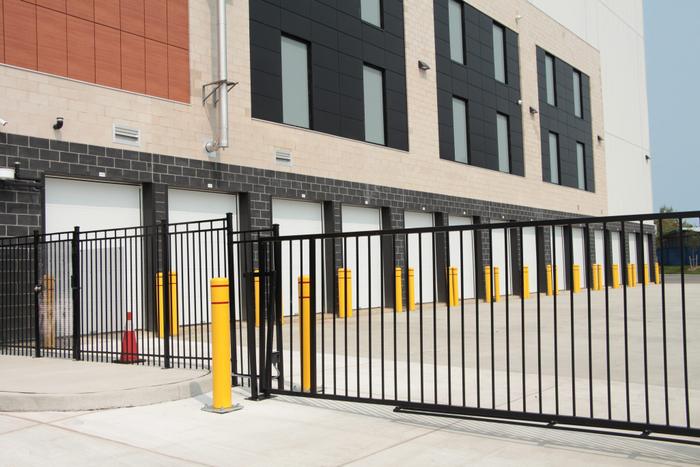
Key Takeaways / Summary: A secure facility is the backbone of any successful operation. As warehouse theft risks grow, safeguarding your inventory from threats requires robust entry points. Overhead Door™ provides specialized commercial solutions designed to reinforce your facility. Your commercial doors are your first line of defense, and our team can help you select […]
Key Takeaways / Summary: The Overhead Door™ founder invented the first upward-acting door in 1921. We have been assisting companies in keeping their garage doors efficient and secure ever since. Commercial facilities rely on smooth daily operations, but a failing garage door can create major logistical bottlenecks. When your equipment begins to struggle, analyzing the […]