

How to Silence a Noisy Garage Door: 4 Quick Fixes
December 13, 2023
Quick answer: Most garage door noise comes from worn rollers, dry hinges and springs, loose hardware or damaged weatherstripping. Quick fixes include switching to nylon rollers, using a silicone-based lubricant and tightening nuts and bolts. Grinding or banging can mean a bigger problem. Overhead Door Company of Battle Creek, Jackson & Ann Arbor repairs noisy doors and openers.
A noisy garage door can be a nuisance, disturbing the peace and quiet of your home. Fortunately, there are quick fixes that can help reduce the racket and enhance overall household comfort. In this article, we’ll explore some effective solutions to silence your noisy garage door.
Understanding the Source of the Noise
Before we dive into the fixes, it’s essential to understand why your garage door is so noisy. Several factors contribute to the noise:
- 1. Worn-out Rollers: The rollers that guide your garage door along the tracks can wear out over time, causing friction and noise. When the rollers wear down, they may create a grinding or squeaking sound that can be quite annoying. Additionally, they can put extra strain on your garage door opener, potentially leading to costly repairs.
- 2. Lack of Lubrication: A lack of lubrication on moving parts like hinges, springs, and rollers can lead to increased friction and noise. Proper lubrication is essential to keep these components operating smoothly. When they’re dry and squeaky, the noise can reverberate through your entire home.
- 3. Loose Hardware: Over time, nuts, bolts, and screws can become loose, creating vibrations and noise when the door operates. These vibrations can be amplified by the garage structure itself, making the noise even more pronounced. It’s essential to regularly check and tighten any loose hardware to maintain a quiet garage door.
- 4. Damaged Weatherstripping: Weatherstripping along the door frame can degrade, allowing outside noise to penetrate your garage. In addition to noise, damaged weatherstripping can also result in energy loss, affecting the insulation of your garage.
Quick Fixes to Silence Your Garage Door
Now that we know the culprits let’s explore some quick fixes to silence your garage door:
1. Replace Worn-out Rollers
Start by inspecting the rollers. If they are worn out, consider replacing them with nylon or silicone rollers. These materials are quieter than metal rollers and provide smoother operation. Upgrading your rollers not only reduces noise but also enhances the longevity of your garage door system.
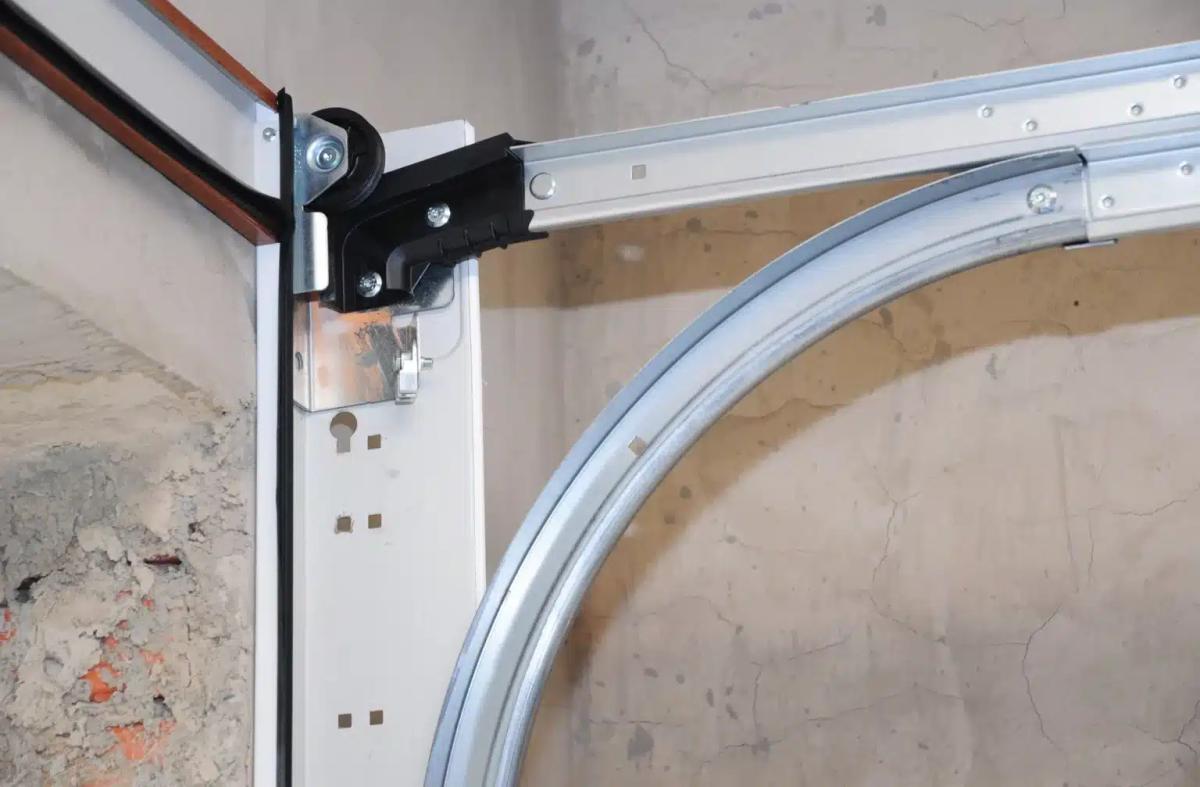
Furthermore, modern nylon or silicone rollers are designed to reduce the need for frequent maintenance, making them a convenient and cost-effective choice for your garage door.
2. Lubricate Moving Parts
Regularly lubricate all moving parts with a high-quality silicone-based lubricant. Focus on hinges, springs, and rollers. This reduces friction and noise significantly. Well-lubricated parts also reduce wear and tear, extending the life of your garage door.
Proper lubrication also minimizes the risk of rust and corrosion, ensuring your garage door operates smoothly and quietly for years to come.
3. Tighten Loose Hardware
One often overlooked yet essential step in silencing your noisy garage door is checking for loose nuts, bolts, or screws along the tracks and hardware. Gently but thoroughly tighten them as needed to eliminate vibrations and reduce noise. This seemingly simple action can have a significant impact on the overall noise level of your garage door, enhancing both its functionality and safety.

By ensuring all components are securely fastened, you not only enjoy a quieter door but also increase the reliability and longevity of your garage door system, bringing you lasting peace of mind.
4. Replace Damaged Weatherstripping
Take a moment to inspect the weatherstripping around your garage door frame. If you spot any signs of damage or wear, it’s crucial to replace it promptly. Doing so not only prevents outside noise from infiltrating your garage but also provides an additional benefit. New weatherstripping enhances the insulation of your garage, ensuring a more consistent and comfortable temperature inside.
This small but effective upgrade not only reduces noise but also contributes to energy efficiency, making your garage a more pleasant and efficient space.
Additional Tips for a Quieter Garage Door
In addition to the quick fixes, here are some extra tips to ensure a quieter garage door:
1. Insulate Your Garage
When aiming for a quieter and more comfortable garage, insulation is a key player. By insulating your garage, you not only reduce external noise but also gain control over the indoor temperature. This upgrade is especially valuable if your garage serves as a workspace or a living area.
With proper insulation, you’ll create a more pleasant environment that remains cozy in winter and cool in summer, making your garage an even more versatile and enjoyable space.
2. Install a Noise Barrier
For those whose garages share a wall with a bedroom or living space, the installation of a noise barrier is a game-changer. These specialized barriers are crafted to absorb and block sound effectively, offering you a serene living environment even when your garage door is in operation.
This simple yet highly effective solution ensures that the disturbances from your garage are minimized, enhancing the tranquility of your home.
3. Schedule Regular Maintenance
Maintaining a peaceful and functional garage door requires more than just quick fixes. It’s essential to schedule regular maintenance with a professional. They have the expertise to identify and address potential issues before they escalate into noisy problems.

Beyond the tranquility it brings, routine maintenance enhances the safety and reliability of your garage door system, providing you with the assurance that it will operate quietly and smoothly for years to come.
Conclusion
A noisy garage door can be a real headache, but with these quick fixes and additional tips, you can enjoy a quieter and more peaceful home. Remember to inspect and maintain your garage door regularly to prevent noise issues from reoccurring.
Why is my garage door so noisy?
Your garage door can be noisy due to worn-out rollers, lack of lubrication, loose hardware, or damaged weatherstripping.
How can I reduce noise from worn-out rollers?
Replace worn-out rollers with nylon or silicone rollers, as they are quieter and provide smoother operation.
What’s the importance of lubricating moving parts?
Lubricating hinges, springs, and rollers with silicone-based lubricant reduces friction, noise, and extends your garage door’s life.
How can I eliminate noise from loose hardware?
Regularly check and tighten loose nuts, bolts, and screws to reduce vibrations and noise in your garage door.
How can I stop outside noise from entering my garage?
Replace damaged weatherstripping around the door frame to prevent outside noise infiltration and improve insulation.
Garage Door Noise FAQs
Is a loud bang from my garage a sign of a broken spring?
Often, yes. A torsion spring that breaks usually makes a sudden, loud bang, and afterward the door feels very heavy or won't open with the opener. Don't keep pressing the button or try to lift the door yourself. Call for spring repair, since the door and its parts are under high tension.
Why is my garage door opener so loud?
Opener noise usually comes from the drive type or worn parts. Chain-drive openers are naturally louder than belt-drive models, and a loose chain, worn gears or loose mounting brackets add rattling. If your opener is old and noisy, a quieter model may be worth it. See our garage door openers.
What kind of lubricant should I use on a noisy garage door?
Use a silicone-based lubricant or white lithium grease. Apply it to the hinges, roller bearings and springs, then wipe off any excess so it doesn't collect dirt. Avoid heavy grease in the tracks and general-purpose sprays, which can attract dust and make the noise come back faster.
When should I call a professional about garage door noise?
Call a professional when the noise comes with grinding, scraping, shaking or a door that moves unevenly. Those signs can point to a worn spring, a frayed cable or a door coming off track. Springs and cables are under high tension, so they should be repaired by a trained technician, not as a DIY project.
Can a noisy garage door be fixed without replacing the door?
Usually, yes. Most noise comes from parts such as rollers, hinges, hardware or the opener, and those can be replaced one at a time. Replacing the whole door makes more sense only when the panels are damaged or the door is near the end of its life. We service all brands and warranty all of our service.
Related posts
A small, shallow dent in a steel garage door panel can sometimes be eased out, and a single badly damaged section can often be replaced without buying a whole new door. Replacing just the panel makes sense when the door is in good shape, the […]
Replace your garage door rollers when they're cracked, wobbly, chipped, flat-spotted or noisy even after lubrication. For most homes, nylon rollers with sealed ball bearings are the best choice because they're much quieter and need little upkeep. Steel rollers are tough and suit heavy or […]
If a garage door cable is broken, frayed or hanging loose, stop using the door and unplug the opener. The cables work with the springs to hold the door's weight, so a failed cable can let one side drop, twist the door and pull it out of its tracks. Keep people and cars away, don't […]