
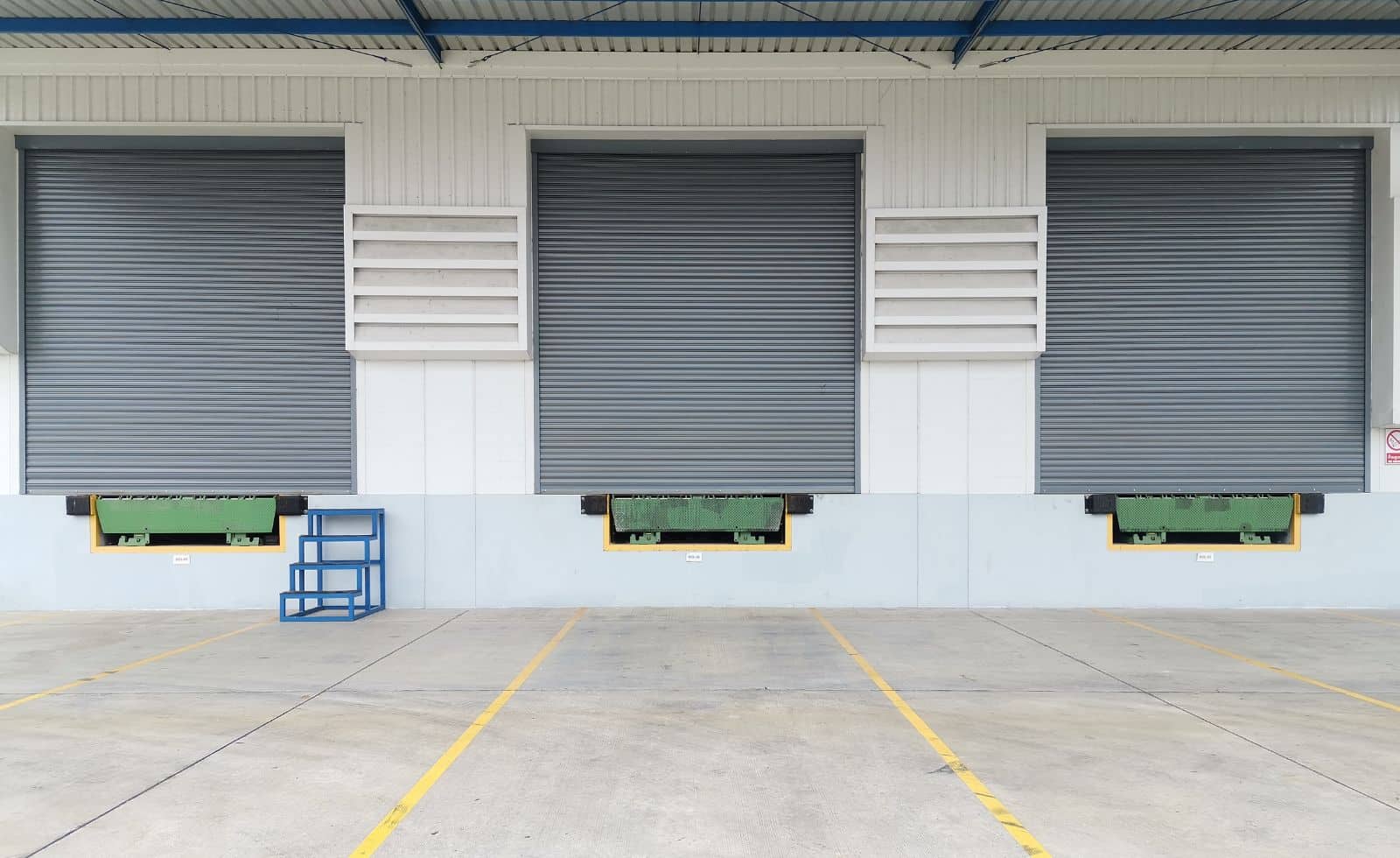
Dock Levelers 101: Hydraulic vs. Mechanical Levelers for High-Volume Logistics
June 26, 2026
Key Takeaways/Summary:
- Mechanical dock levelers require a worker to pull a chain to operate the spring mechanisms that raise or lower the ramp, while hydraulic dock levelers are push-button operated.
- For high volume logistics, hydraulic dock levelers are safer, more reliable, and cost less in the long run.
- Concerned about ergonomics? The chain-pull system in mechanical levelers can cause back strain if repeated too often.
Overhead Door of Ann Arbor understands that the type of dock leveler you use in your business matters; it should work well with your workflow, keep your employees safe, and fit your budget. There are two main types of dock levelers: mechanical and hydraulic. They both do the job of creating a platform for workers and forklifts to move between the truck bed and the dock, but they operate differently.
The “Pop-Up” Issue: Safety Liabilities of Mechanical Levelers
Mechanical dock levelers rely on springs to raise and lower the height of the leveler. They have a hold-down system to keep them in place. Even when the leveler is in a resting position, the springs always have tension in them. Over time, these springs and the spring-related mechanisms are going to wear out. When this happens, the ramp can pop up unexpectedly, catching workers by surprise. People can trip over the popped-up ramp and hurt themselves. This is a major safety liability that you probably do not want to deal with.
Hydraulic levelers, on the other hand, use hydraulic cylinders and pumps to raise and lower the ramp, which is a more reliable system that can be automated and easily adjusted without worries about springs breaking. If there is a sudden hydraulic pressure loss, there are built-in safeguards to prevent the ramp from free-falling.
Ergonomics and Workers’ Comp: Chain-Pull vs. Push-Button Operation
Mechanical levelers require a worker to bend over and pull a chain to get the leveler in place. While this is certainly something a lot of workers can do, if they have to do it too often, they are more likely to get a back injury. Injured workers are never a good thing for your company. You may end up paying Workers’ Comp and needing to hire additional workers to get the job done.
Hydraulic dock levelers have better ergonomics than mechanical levelers. They operate easily with the push of a button. This takes the physical strain off your workers and reduces the risk of paying Workers’ Comp.
Total Cost of Ownership: Maintenance and Reliability Breakdown
Mechanical dock levelers offer a lower upfront cost and are a sufficient solution for low-volume businesses that only handle one or two trucks per day. When it comes to maintaining your dock leveler, you should consider the number of moving parts in each type of leveler. Mechanical levelers have a lot of moving parts, and they require frequent adjustments and greasing. This means your workers will have more maintenance to perform, and there is more that can potentially go wrong.
While hydraulic dock levelers cost more upfront, the costs of maintaining a mechanical dock leveler outweigh the costs of maintaining a hydraulic leveler. When considering hydraulic vs mechanical dock leveler cost, it’s important to consider the overall cost of maintenance as well as possible costs associated with safety issues.
The Verdict: Choosing the Right Leveler for Your Ann Arbor Facility
When deciding what leveler is best for your business’s needs, it’s important to know the basic differences and how each type functions. The recommended guidelines suggest that a mechanical dock leveler is sufficient for low-volume businesses handling 1-2 vehicles per day, while a hydraulic dock leveler is mandatory for high-volume operations handling 10 or more vehicles per day. Contact us with any dock leveler questions, or give us a call. We are here to help you with installation and repairs.
Image credit: Witt cameraman / Shutterstock
Related posts
Key Takeaways / Summary: A secure facility is the backbone of any successful operation. As warehouse theft risks grow, safeguarding your inventory from threats requires robust entry points. Overhead Door™ provides specialized commercial solutions designed to reinforce your facility. Your commercial doors are your first line of defense, and our team can help you select […]
Key Takeaways / Summary: The Overhead Door™ founder invented the first upward-acting door in 1921. We have been assisting companies in keeping their garage doors efficient and secure ever since. Commercial facilities rely on smooth daily operations, but a failing garage door can create major logistical bottlenecks. When your equipment begins to struggle, analyzing the […]
Key Takeaways / Summary: The ROI of Upgrading to Insulated Commercial Doors in Southern Michigan By choosing top-tier insulated rolling steel doors, you create an effective thermal shield that separates external weather conditions from your warehouse interior. When it comes to high R-value, energy-efficient commercial doors in Michigan, polyurethane stands out as the top insulation […]