

Fire-Rated Drop Testing: The Annual Requirement for Michigan Businesses
May 7, 2026
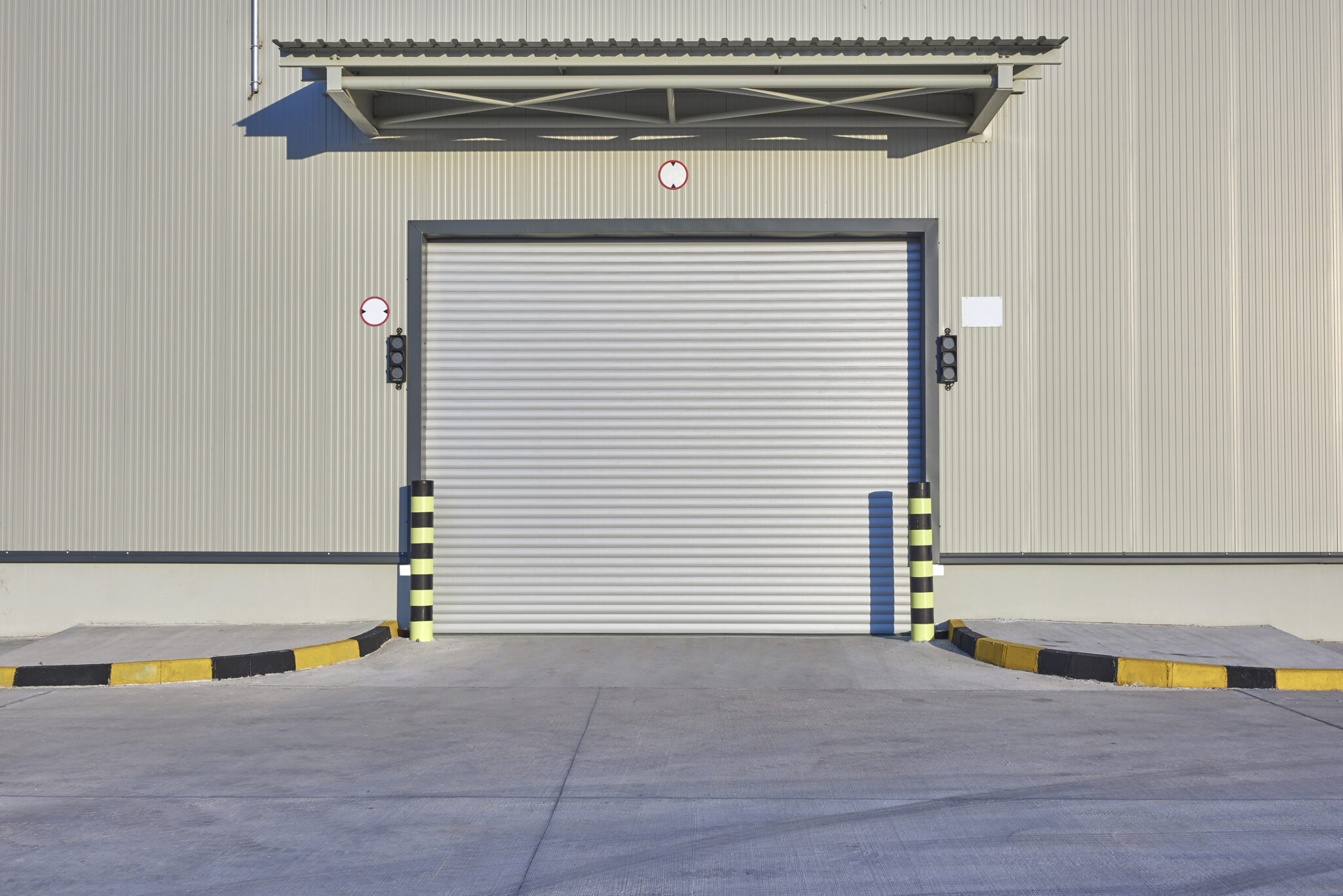
In Michigan, an annual fire door drop testing certification is required. Any rolling steel fire door must comply with Michigan building codes and close automatically at a rate of 6 to 24 inches per second, as a precaution to seal off fire and smoke, per the National Fire Protection Association (NFPA).
Michigan rolling steel fire door testing requirements include:
- Doors must rest on the sill and close completely.
- Confirmation of the door closure and verification that the mechanism can be reset.
- The doors must close at a speed of between 6 and 24 inches per second.
- Documentation to include the location of the door, the date, and be signed by the technician with their full name.
- The inspection reveals any painted fusible links, damaged components, and/or blocked release mechanisms.
Some of the more common reasons for inspection failure include missing, broken, or painted parts, misalignment of the guide rails, and door-path obstructions. Painted fusible links or damaged guide rails mandate an instant test failure.
Additionally, annual testing needs to ensure the door resets properly after use. It is up to you to ensure the reset part of the test is completed, as a cheap or lazy vendor may skip this important part.
The Critical Importance of Fire-Rated Doors in Michigan
Fire-rated doors are proven to confine smoke and flames to a given area for between 20 and 90 minutes, or longer, preventing smoke from spreading and allowing safe evacuation while saving lives and protecting property.
Understanding Michigan’s Mandate: Why Annual Drop Testing is Non-Negotiable
NFPA 80 and Michigan’s annual fire door inspection are adopted by local fire codes throughout the state to ensure building safety. Failing to have annual testing done by a properly certified technician for any reason can invalidate insurance claims, result in hefty penalties and fines, and, of course, can be a serious safety risk.
Regulatory compliance includes:
- Mandatory testing at least once per year
- Fire-drop door testing must be performed by trained technicians for rolling steel fire door systems.
- Proper documentation of such tests must be kept on file in your office and made available upon request by the local Fire Marshal.
Furthermore, if compliance is not met, Michigan’s Local Authority Having Jurisdiction (AHJ) may restrict or revoke your building’s occupancy permit until your doors are tested and, if necessary, repaired.
Documenting Compliance: Your Responsibility as a Michigan Business
As mentioned, maintaining proper documentation is the business owner’s responsibility, and in the eyes of the Fire Marshal, it is just as important. No signed record is as if the test never happened.
Records of the NFPA 80 door inspection checklist and of Ann Arbor rolling steel fire door testing requirements and results, as signed by professionally trained and certified technicians for at least the past three years, should be kept on site. The same is true of any other Michigan city, no matter how large or small.
The business owner or manager must be able to present the fire door drop testing certification at the Fire Marshal’s request.
Don’t Compromise: Ensure Your Michigan Business is Compliant
Safety maintenance and Michigan annual fire door inspection certifications are mandatory for any business. Forgetting about them or avoiding them is cause for concern and carries consequences. Letting repairs go is downright dangerous.
If you have had trouble finding quality NFPA 80 door inspection technicians in the past or suffered from scheduling issues, we at Overhead Door of Ann Arbor can steer you in the right direction. Non-compliance is not optional!
If you need repairs or a new rolling steel fire door, give us a call for service or an estimate today. We’ll help you keep your property up to code.
Image credit: // Shutterstock // united photo studio
Related posts
Key Takeaways / Summary: A secure facility is the backbone of any successful operation. As warehouse theft risks grow, safeguarding your inventory from threats requires robust entry points. Overhead Door™ provides specialized commercial solutions designed to reinforce your facility. Your commercial doors are your first line of defense, and our team can help you select […]
Key Takeaways / Summary: The Overhead Door™ founder invented the first upward-acting door in 1921. We have been assisting companies in keeping their garage doors efficient and secure ever since. Commercial facilities rely on smooth daily operations, but a failing garage door can create major logistical bottlenecks. When your equipment begins to struggle, analyzing the […]
Key Takeaways/Summary: Overhead Door of Ann Arbor understands that the type of dock leveler you use in your business matters; it should work well with your workflow, keep your employees safe, and fit your budget. There are two main types of dock levelers: mechanical and hydraulic. They both do the job of creating a platform […]